Designing for Distress
The places people cherish most are rarely the newest. They are the streets lined with mature trees, the brick buildings softened by decades of weather, the storefronts that carry subtle traces of countless occupants, and the civic structures that have quietly witnessed generations of change. The same is true of people. Character is not formed overnight. It develops through experience, adaptation, hardship, and time. Cities acquire their identity in much the same way. Their most meaningful places become richer not because they remain unchanged, but because they absorb change while maintaining their essence.
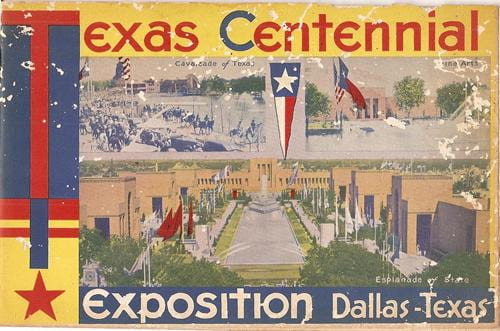
Many of Dallas’s most admired buildings illustrate this principle. Consider Fair Park. When completed for the 1936 Texas Centennial Exposition, it represented a bold vision of modernity and civic ambition. Nearly 90 years later, its significance extends far beyond architecture. The Art Deco buildings have become repositories of collective memory, hosting generations of Texans through fairs, concerts, exhibitions, and cultural gatherings. Funny enough Fair Park was designed to be temporary for the 1936 Texas Centennial Exposition, a world’s fair celebrating Texas’s 100th anniversary, but kept its longevity through its materiality. Time has not diminished Fair Park’s value; it has deepened it.
The same can be said of The Adolphus. When the hotel opened in 1912, it symbolized Dallas’ growing prosperity. Today, more than a century later, its aged masonry, ornament, and enduring presence contribute to a sense of permanence that few contemporary buildings can replicate. What was once simply a luxury hotel has become a landmark woven into the city’s identity. These places remind us of an important truth: architecture should not peak on opening day.
Yet much of contemporary development treats the ribbon cutting as building’s most important moment. Renderings are optimized for marketing campaigns. Materials are selected for immediate visual impact. Success is measured by lease-up schedules and short-term returns. The future becomes secondary. But architecture is one of the few art forms experienced across generations. Unlike a painting or sculpture, a building participates in daily life for decades and sometimes centuries. It becomes part of a community’s memory, culture, and identity. If architecture is expected to endure, then its true value cannot be measured at completion. The most successful buildings are not those that peak immediately.
They are those that improve with age. Designing for distress is not about celebrating decay. It is about creating buildings that anticipate weather, use, adaptation, and time. It recognizes that architecture gains meaning through its interaction with the world. Great buildings do not resist aging; they accommodate it.
Why So Many Modern Buildings Age Poorly
Many contemporary buildings appear polished and sophisticated when completed, yet they seem tired only a decade later. The reasons are often embedded in the way projects are conceived and delivered. Development today frequently operates on compressed timelines and short investment horizons. Financial models prioritize immediate returns, encouraging decisions that reduce upfront costs while pushing long-term consequences into the future. Buildings become products rather than civic contributions. Value engineering, while often necessary, can gradually erode durability.
Materials intended to last generations are replaced with thinner, less robust alternatives. Design decisions that would support longevity are sacrificed to satisfy budgets. At the same time, architecture has become susceptible to trends. Certain façade systems, finishes, and stylistic gestures become popular because they photograph well or align with current tastes. Yet trends have short lifespans. What feels contemporary today often feels dated tomorrow.
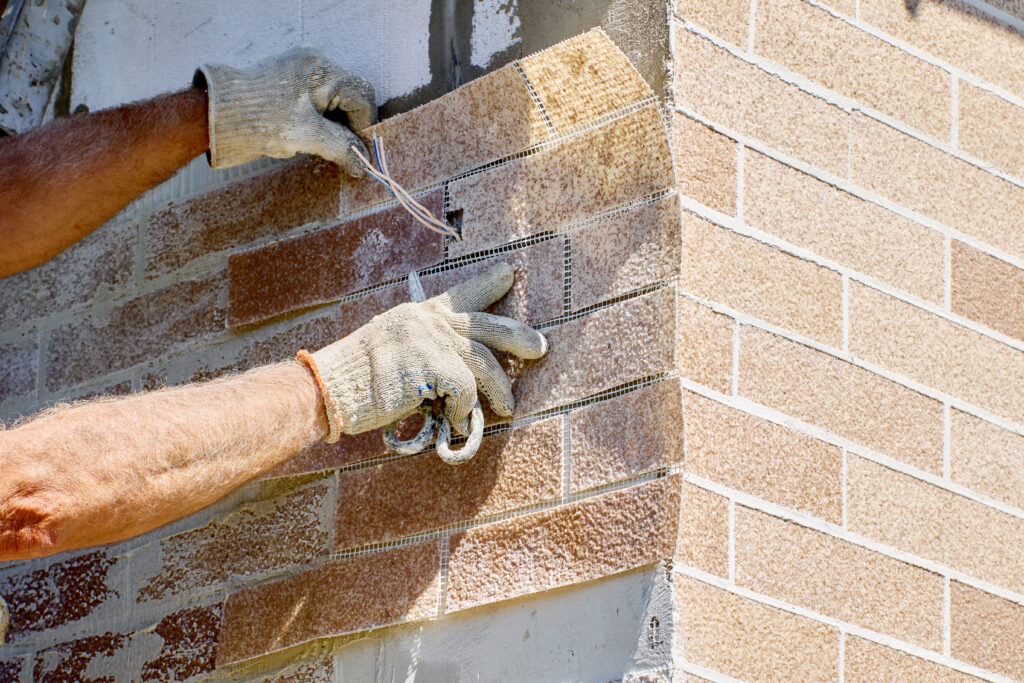
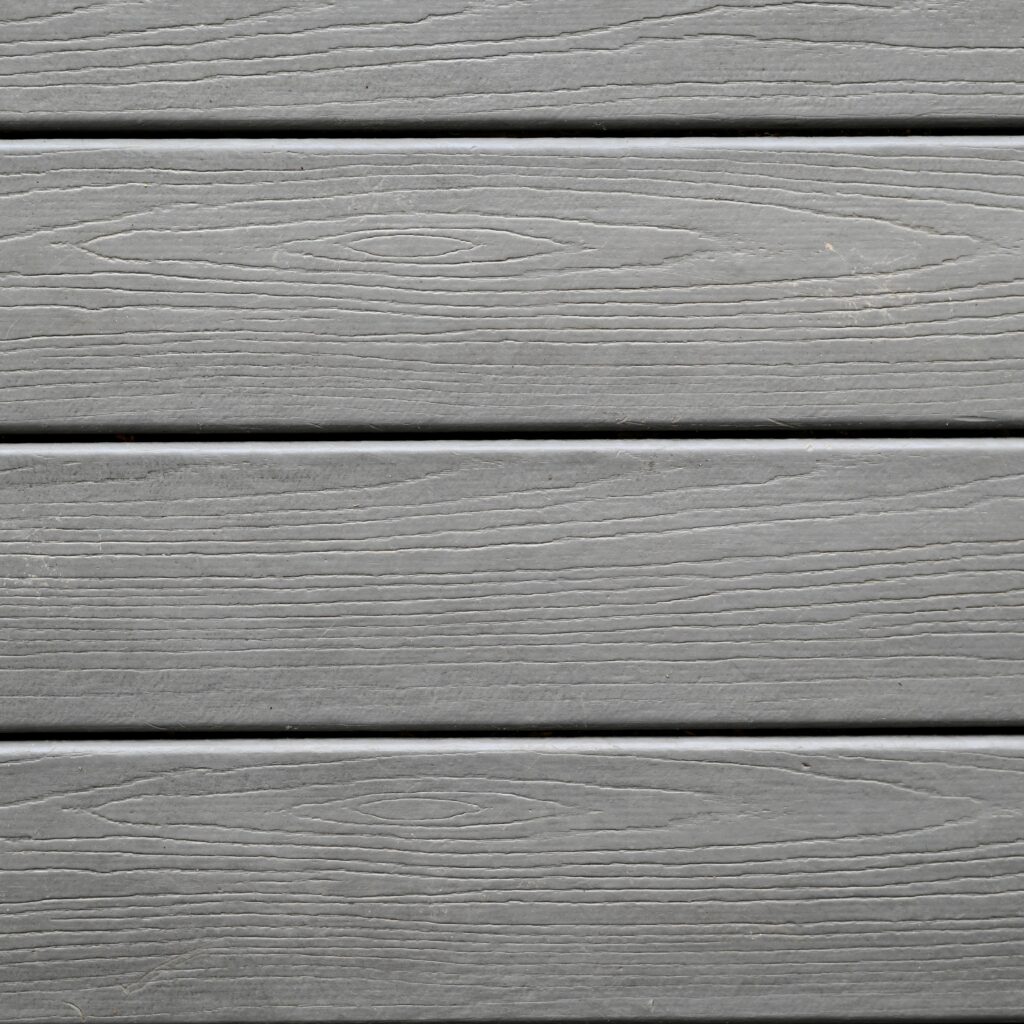
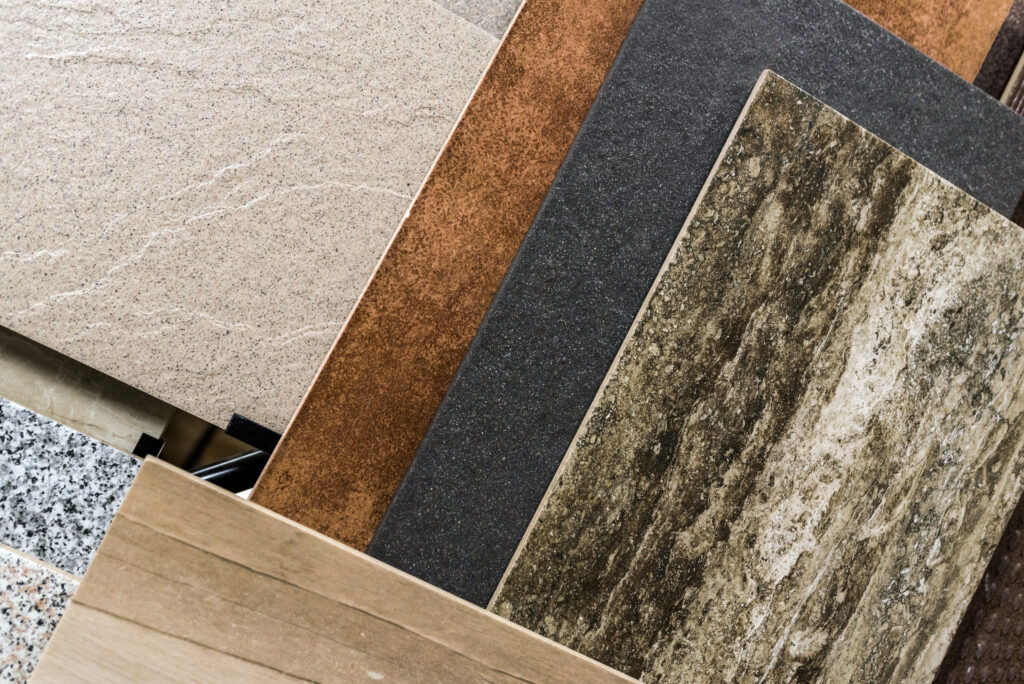
There is also a growing disconnect between materials and their authentic characteristics. Many modern products attempt to imitate something else, such as synthetic stone, faux wood, manufactured textures designed to mimic age. These materials often struggle because they are created to appear permanently new. When weather inevitably affects them, the result feels accidental rather than natural. Buildings designed to avoid aging altogether usually age poorly. Ironically, permanence rarely stems from resistance. It is achieved through adaptation. Invariably, enduring structures acknowledge change from the very beginning.
What Does It Mean for a Building to Age Well?
Aging well involves more than durability. A well-aged building reveals the passage of time without losing its identity. For example, patina and deterioration hold an important distinction. Both result from exposure and use, yet they communicate entirely different experiences.
Patina enriches a material. It records interaction. It adds depth and complexity. The darkening of bronze, the polishing of stone steps, the weathering of timber, or the subtle variation of brick all tell stories about a building’s life. On the other hand, deterioration signals failure. Water intrusion, delamination, cracking caused by poor detailing, and unrepairable systems indicate that a building was never designed for long-term stewardship. Architecture should not seek perfection frozen in time. Instead, it should seek resilience and the ability to evolve while retaining integrity. Repairability is central to this idea. Historically, buildings were assembled from components that could be maintained, repaired, or replaced. Materials weathered, but buildings remained useful because they were designed for care.
This idea extends beyond architecture. A useful parallel can be found in an unlikely place: denim.
Deep Ellum Denim described its philosophy this way: “What we love is you can take something in the closet like an old pair of jeans—maybe they’re torn up, maybe they’re not—and you can bring them in and revitalize them, make them have a whole fresh look.”

The appeal of a well-worn pair of jeans is not that it remains untouched. Quite the opposite. The fading, repairs, creases, and imperfections tell a story. They reflect years of use, movement, and personal experience. When a favorite pair begins to wear out, it doesn’t need to be replaced; it needs to be repaired. The garment gains another chapter rather than reaching the end of its life. Buildings should be approached with the same mindset.
Many contemporary buildings lack this quality. Highly integrated systems become obsolete long before the structure itself. Components cannot be repaired without extensive replacement. Dallas buildings tend to rely heavily on curtain wall to tell its design story but often leave out an articulation, variation in material, or detail to accompany it. It leaves us with a sea of curtain wall facades that reflect sameness among each other. Buildings have also become increasingly difficult to maintain, accelerating their decline. Right now, Dallas City Hall stands at the center of that conversation, with years of neglect and lack of investment. Consequently, many people are asking to demolish it and build something new. Designing for distress means recognizing that maintenance does not equal failure. Maintenance is participation. A building that can be repaired is a building that can survive. A building that survives long enough can become meaningful.
Materials That Improve With Time
The buildings we admire most often reveal time through their materials rather than conceal it. Good aging begins with material honesty. The “Pump House” located in Turtle Creek, originally a pump station supplying water to the Town of Highland Park, now provides a space for art, a venue for intellectual discussion, a temporary apartment, and a playground. This project demonstrates how masonry develops character over decades. Variations in color, weathering patterns, repairs, and imperfections contribute to an authenticity impossible to manufacture. Buildings like this feel grounded because they carry visible evidence of time.
Similarly, the monumental concrete and limestone surfaces of Dallas City Hall have matured since their completion in the 1970s. Designed by architect I. M. Pei, the building possesses a gravity today that extends beyond its original design intent. Decades of weather, civic activity, and public life provide the structure with a sense of permanence that no rendering could predict.
The Trinity River Audubon Center’s weathering steel, unfinished wood, exposed concrete, and native landscaping allow the building to develop a natural patina that deepens its connection to the surrounding prairie and forest.
Materials like brick, stone, wood, steel, and concrete succeed because they participate in time. Brick develops depth, and stone softens. Wood changes color and texture, steel records exposure, and concrete acquires subtle variation and complexity. These materials do not remain frozen at the moment of installation. Instead, they evolve. Their evolution creates something that newer materials often struggle to achieve: memory. A place possesses memory; objects do not. Buildings become beloved when they accumulate evidence of life.
The Emotional Power of Aging
Architecture is often discussed in terms of performance, economics, sustainability, and aesthetics. Yet one of its most profound qualities is emotion. People form attachments to buildings not because they are flawless, but because they feel real. Age contributes to authenticity. A worn threshold indicates thousands of arrivals and departures. A polished handrail suggests generations of contact. Slight irregularities in masonry reveal craftsmanship. Weathered surfaces communicate endurance. These traces matter because they remind us that buildings exist within human time rather than outside it.
In other parts of our lives, we instinctively understand this phenomenon. The objects we value most are often not the newest ones, but the ones that carry visible evidence of experience.
Consider a child’s baseball cap at the end of a long season. A brand-new cap may be pristine, perfectly shaped, and free from blemishes. Yet it carries no story. The cap that captures our attention often has sweat stains along the brim, dirt embedded in the fabric, a faded logo, and a shape molded by countless afternoons under the Texas sun. Those imperfections are not defects. They are proof of participation. They tell us the child has spent hours on the field. They suggest practices, games, victories, disappointments, friendships, and growth. The cap becomes valuable not because it has remained untouched, but because it bears the marks of experience. Architecture works much the same way. The most meaningful buildings accumulate evidence of life.
In a city like Dallas, where growth and redevelopment continuously reshape the urban landscape, architecture that carries visible memory becomes especially valuable. It provides continuity amid change. Neighborhood identity often depends on this accumulated character.
People rarely remember buildings exactly as they appeared when completed. They remember experiences, seasons, and how places changed alongside their own lives. Architecture becomes meaningful when it serves as a backdrop for memory.
Architecture Beyond Opening Day
Growth, reinvention, and relentless development often define Dallas. Yet some of its most cherished places derive their value from endurance rather than novelty. Fair Park, The Adolphus, Dallas City Hall, Old Red Courthouse, and the historic structures of the West End demonstrate that architecture earns significance over time. Their importance was not fully visible on opening day. It emerged through decades of weather, maintenance, adaptation, and human experience.
Perhaps the most important shift that architects, developers, and communities can make is to reconsider when architecture truly begins. Project completion is often treated as the finish line. It is merely the starting point. The opening day photograph captures only a brief moment in a building’s existence. Architecture proves its value in the decades that follow. Weather arrives, occupants personalize spaces, neighborhoods evolve, technologies change, and cultural expectations shift. Some buildings struggle under these pressures. Others grow stronger because they were designed to accommodate them.
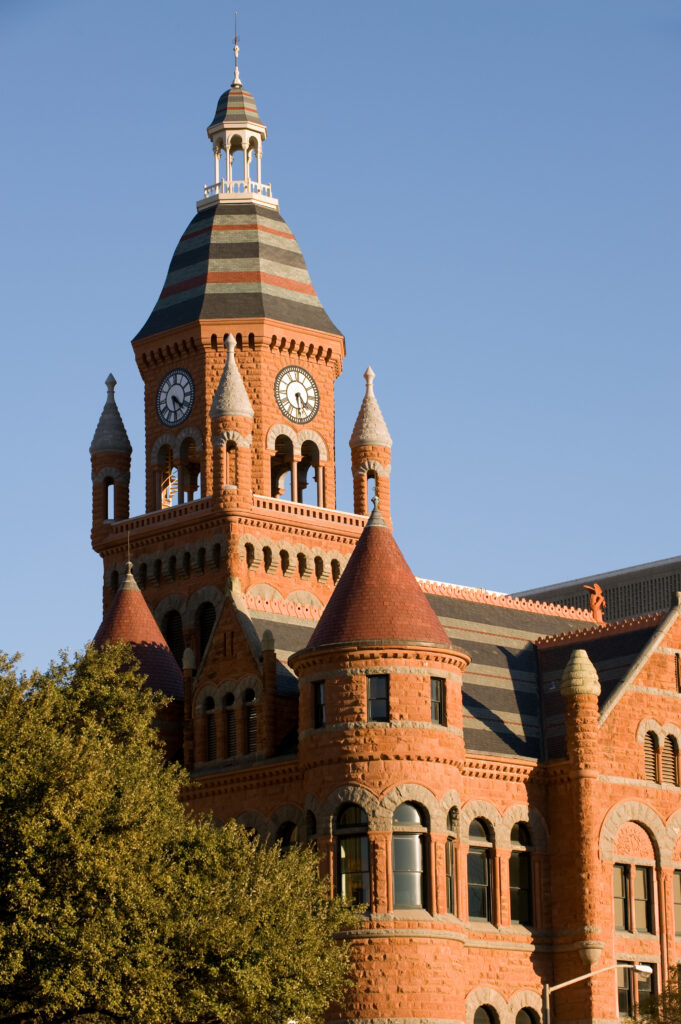
As Dallas continues to grow, perhaps the most important question is not what will look impressive in a rendering or attract attention during a grand opening. The more consequential question is what will still matter 50 years from now. Buildings earn their permanence gradually, not because they were designed as permanent objects, but because they remain useful, adaptable, and meaningful through changing generations. In the end, architecture’s highest achievement is not permanence. It is relevance across time, and that is only possible when we design not just for opening day, but for the decades of life that follow.